It has never been easy to create a new drug. A single drug's journey from development to pharmacy shelves typically takes over ten years and billions of dollars. Nearly 90% of medication proposals fail before receiving regulatory approval, following years of laboratory research and several stages of clinical testing. Several fail due to the fact they don't work as planned, while others only show safety issues after major financial investments. This classic approach to drug development is not only costly but also time-consuming. Any delay means longer waits for patients with life-threatening illnesses to get treatment that could save their lives To combat this, many researchers, pharmaceutical companies, and regulators have been looking toward new ways to speed up and streamline clinical trials. Digital twins are one such method. The manufacturing industry became the most active sector in research and implementation of digital twins. The aim was to shorten production times through the supervision, coordination, and control of production systems. Digital twins also spilled over into construction, energy, transport, smart cities, agriculture, education, and health (Drummond & Gonsard, 2024).
This paper will cover digital twin concepts, how they work, their use in clinical trials, their advantages and disadvantages, examples of current applications in the real world, how they are regulated, and why a great number of experts think they are the future of precision medicine.
What are digital twins
The term “digital twin” was first coined and defined by NASA (National Aeronautics and Space Administration) engineers in 2010 as “an integrated multi-physics, multi-scale, probabilistic simulation of a vehicle or system that uses the best available physical models, sensor updates, fleet history, etc., to mirror the life of its flying twins." Digital twins are virtual models of physical objects that serve as their digital counterparts. They are gaining importance, especially in personalized medicine, with the integration of epidemiological data with dynamic, real-time, patient-specific data. When integrated with electronic health record data including laboratory results, imaging, examinations, or genomic data, they can lead to the production of synthetic data sets to be used to train generative AI models to quantify health care outcomes and clinical trajectories in individual patients (Katsoulakis et al., 2024).
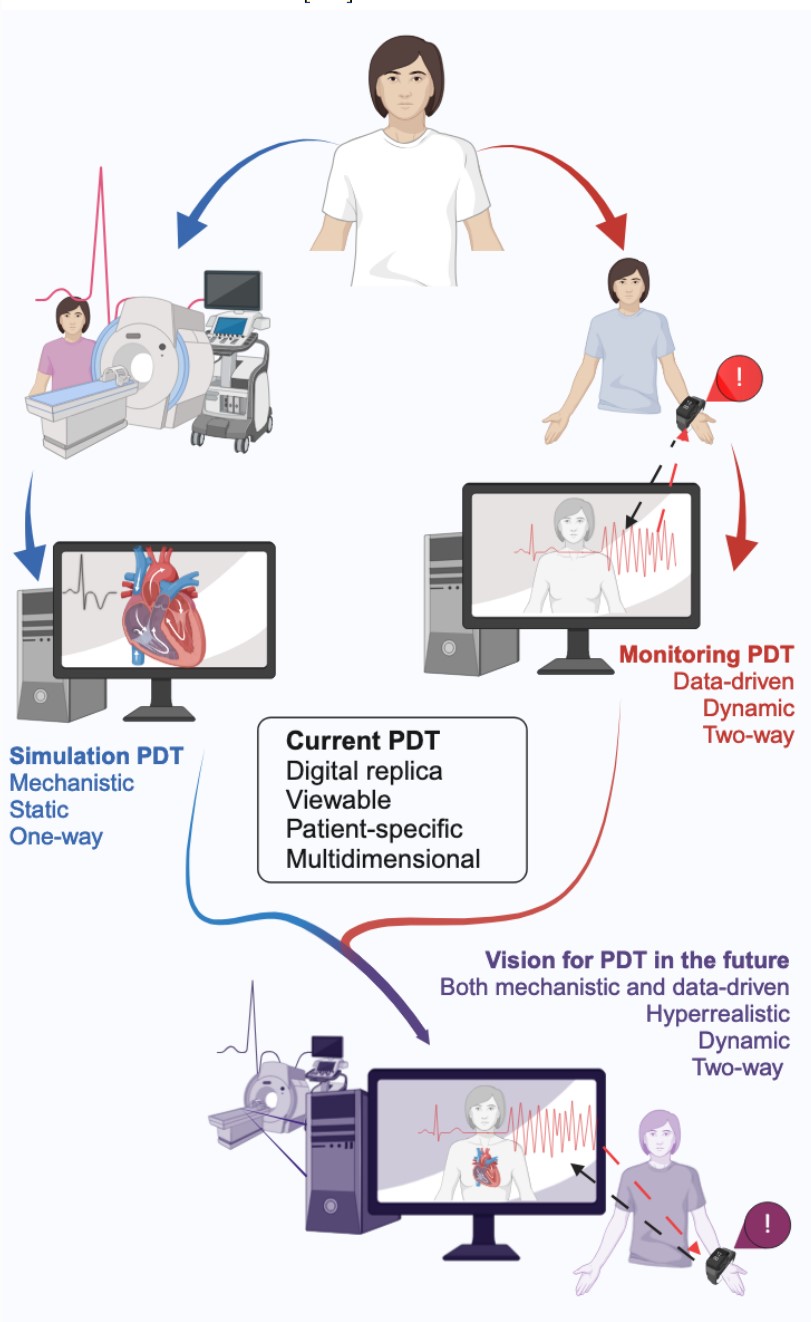
Figure 1. PDT: patient digital twin. Created with BioRender which is published under Creative Commons Attribution International License (Drummond & Gonsard, 2024)
AI-generated Digital Twins Framework in RCTs
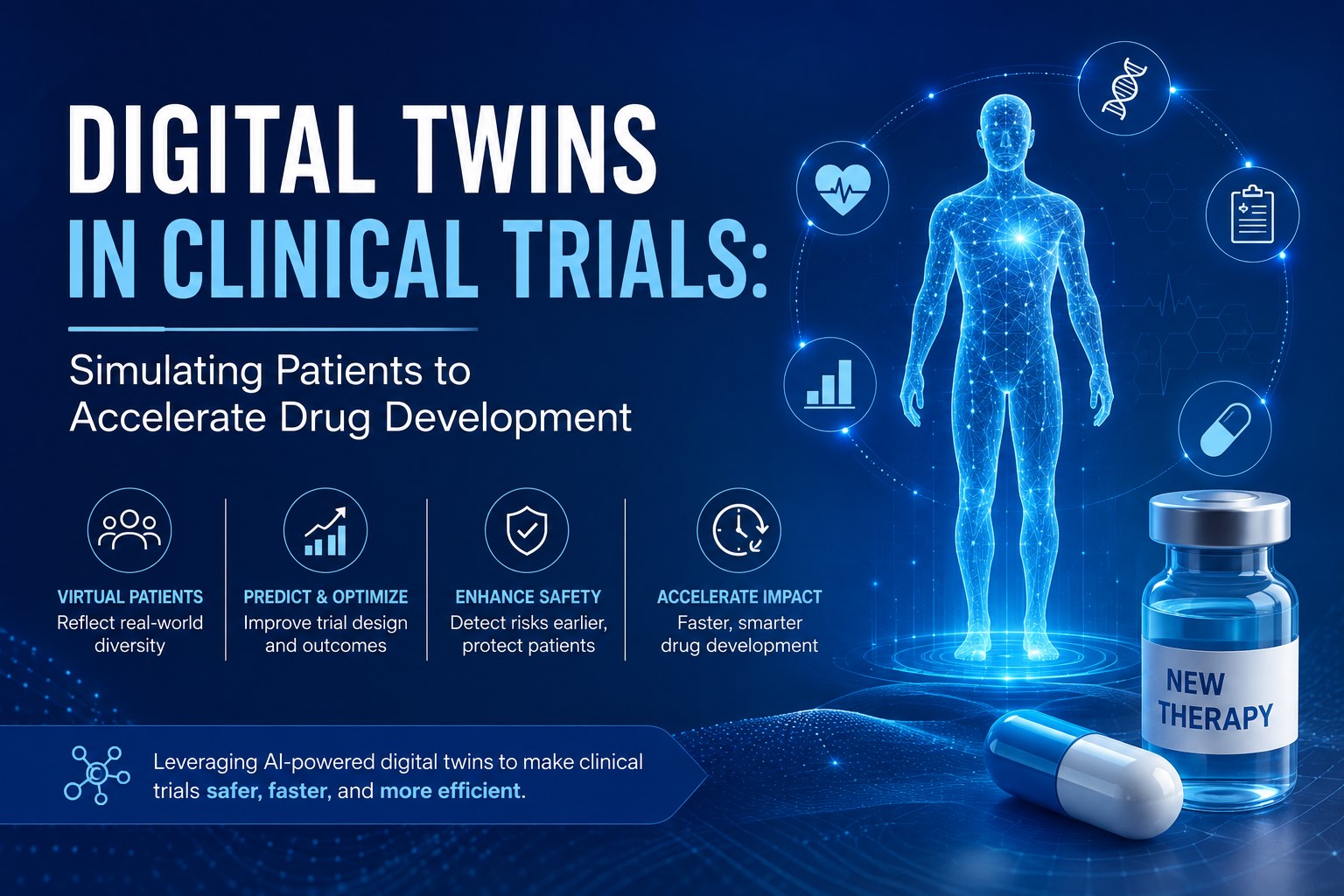
Digital twins can be used alongside standard clinical trials in healthy volunteers to mimic patient reactions to a new drug using virtual models to foresee possible side effects and assist dose optimization. In so doing, it will enhance safety evaluation before trial in patients (Mann, 2024).
1. Data collection and creation of virtual patients:
AI-generated digital twins for clinical trials are created starting from the collection of complete patient data. Baseline clinical information, including symptoms, biological markers, imaging information, genetic profiles, and lifestyle factors, is collected from trial participants. This data is subsequently paired with previously collected control datasets from previous clinical trials and disease registries. Integrating these sources allows AI systems to generate virtual patient profiles that mirror the diversity observed in actual populations (Akbarialiabad et al., 2025).
2. Virtual cohort simulation
Once a virtual patient is constructed, a handful of AI models can be useful in two ways: a) replacing or supplementing the usual placebo arm with a simulated control, and b) acting as virtual patients receiving the new therapy. Digital twins for both groups enable clinicians to validate efficacy and safety signals in silico, reduce sample size requirements, quicken the pace, and prevent patients from receiving any harmful therapy. (Akbarialiabad et al., 2025).
3. Clinical trials predictive modeling, and optimisation
The AI-generated DTs are constantly improved by predictive modeling techniques. AI-enabled adaptive trial designs use virtual cohorts to optimize important trial parameters, including dosing regimens, sample sizes, and power calculations. To guarantee accuracy of such models, DTs are thoroughly validated against realistic clinical trial data (Akbarialiabad et al., 2025).
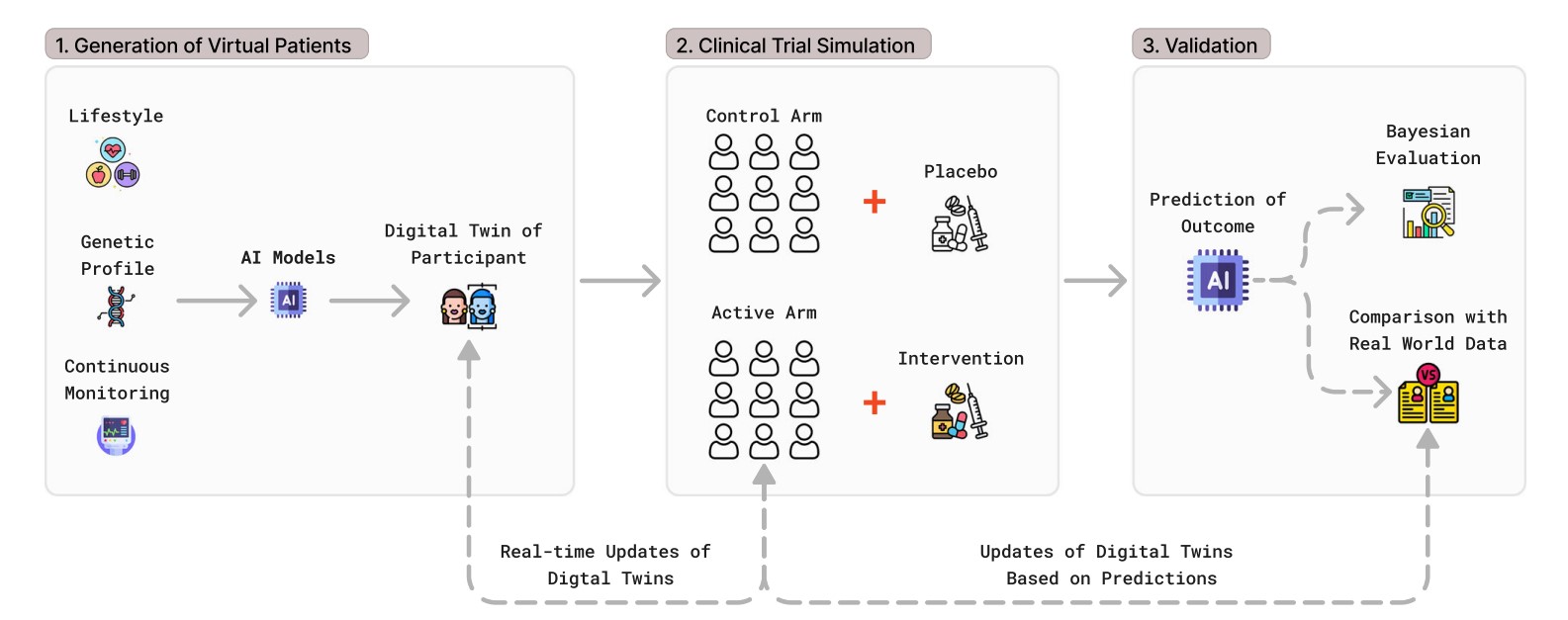
Figure 2. AI-based digital twin framework for clinical trials (Akbarialiabad et al., 2025)
Why Novel Technology Was Needed In The Typical Clinical Trial
Clinical research continues to be costly and time-consuming and has difficulties in participant recruitment and retention, poor sampling, and delayed detection of adverse effects. These problems delay practical implementation and reduce efficiency. Digital twins can help solve these problems by replicating how patients respond, improving decision-making, and facilitating more effective medicine development.
Using Digital Twins to Advance Precision Medicine
Digital twins are revolutionizing medicine by moving away from a generalized approach to a tailored approach. Because no two patients are anatomically, metabolically, immunologically, environmentally, or in relation to their lifestyle identical, digital twins for individuals predict the response of therapy specifically for a patient by simulating the impact of therapy. For example, in breast cancer, digital twins can be used to select the ideal therapy, predict potential side effects and risks, tailor the dose to the individual, and predict tumor response before administering therapy such that therapy targets the cancer without damaging healthy tissue. Such an approach can make clinicians better informed and enable the design of clinical trials with the best individual cases. The use of digital twins brings medicine closer to true personalization.
Digital Twin Healthcare Research Centers and Consortia
Several research centers and international organizations are making breakthroughs to accelerate DT technology for personalized medicine and health, disease prevention, diagnosis, and treatment. These collaborations between academia, industry, and government aim to create platforms or standards for interoperability. Examples include the Swedish Digital Twin Consortium (SDTC), which combines single-cell RNA sequencing with computational models to find optimal treatment for the patient. Empa is developing personalized digital twins to optimize pain medication dosing by considering patient feedback. Human Digital Twin: OnePlanet Research Center employs AI algorithms to incorporate health, lifestyle, and nutrition data into personalized health and wellness recommendations. DIGIPREDICT is centered on disease trajectory prediction, while PRIMAGE employs AI and digital twins for diagnosis and prognosis of childhood cancer. The MAI DigiTwin generates interactive 3D models from 2D medical images to facilitate clinical decisions. Organizations such as the Digital Twin Consortium and Digital Twins for Health (DT4H) are striving to facilitate progress across applications (Katsoulakis et al., 2024).
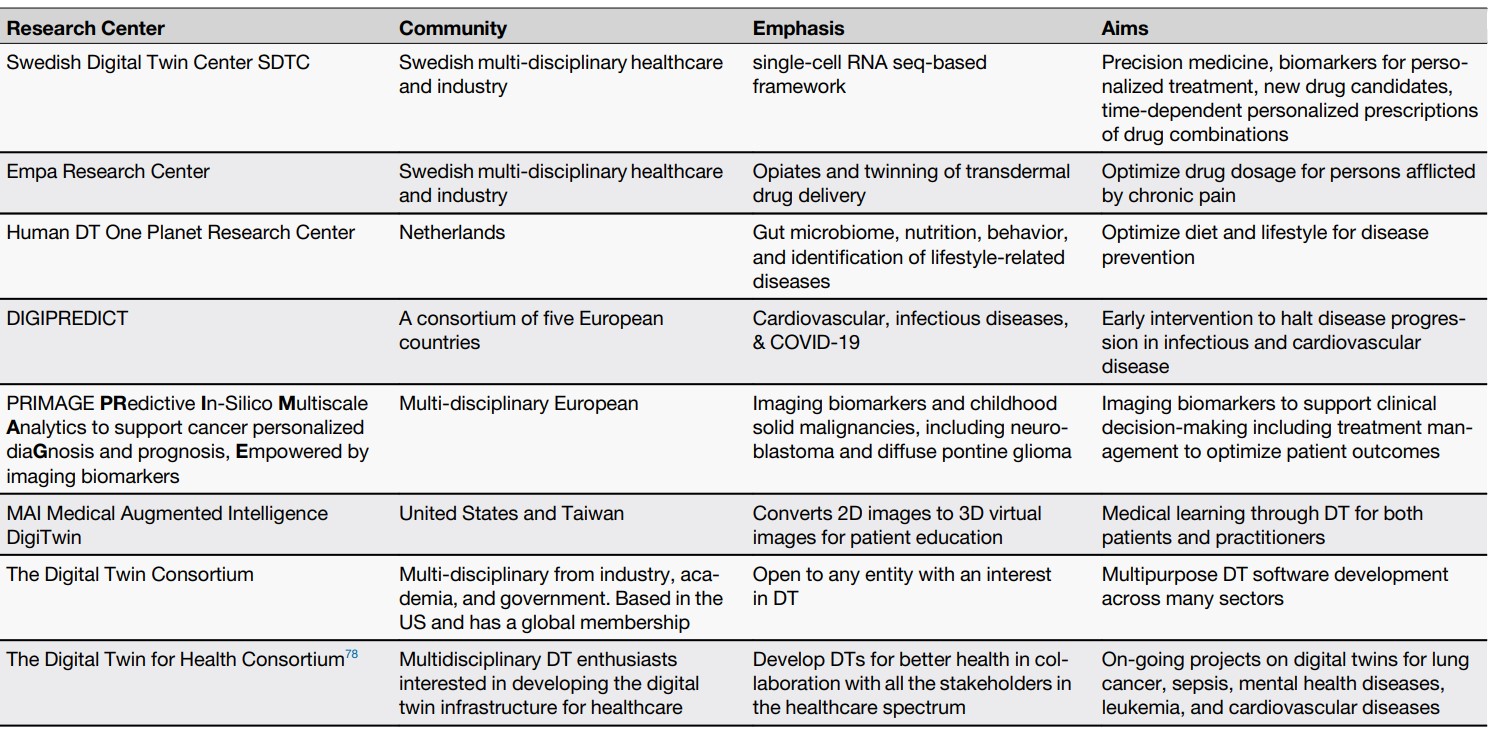
Figure 3. Use of digital twins in Healthcare Research Centers worldwide (Katsoulakis et al., 2024)
Future Directions
There is great potential for the future of a DT in clinical trials and a number of important areas that can be targeted for future development. These include pilot studies to further prove the efficacy and reliability of the DT in different therapeutic areas and patient populations, where two parallel trials can be compared, one with a traditional CT and one with a DT. This will provide meaningful evidence for the use of the DT in clinical practice and will improve trial design, safety, and efficacy. Building interdisciplinary collaboration teams and consortia will promote the exchange of information, tools, and best practices; speed up the standardization protocols; and enhance system compatibility. Training programs should promote fundamental knowledge of digital twins and their utility, data management, necessary ethical matters, and compliance regulations. Educational activities should promote the awareness of the public and patient groups on digital twins' advantages and their expected utilization. Enabling policies should be adapted to the advancements in DT services and require cooperation from the authorities and the industry to produce effective procedures to operate digital twins in clinical trials (Akbarialiabad et al., 2025).
Challenges and Limitations
Digital twins (DTs) are still in the early stage of clinical application and face several barriers. DTs are data-intensive systems that require real-time access to integrated, high-quality data obtained from electronic health records, medical imaging, wearable devices, and genomic repositories. Thus, it is obvious that interoperability and standardization of health data are crucial. Protecting the health data for privacy, confidentiality, and security when handling sensitive health information is a high priority using multiple countermeasures, including cybersecurity and encryption. The accuracy of DTs depends on the integrity and representativeness of input data, and yet, the biggest challenge is to maintain data quality and eliminate bias to avoid healthcare disparities. The use of DTs may give rise to various ethical concerns about informed consent and ownership of health data. Modeling human biology remains complex and requires advanced computing resources as well as emerging technologies such as artificial intelligence, blockchain technology, and cloud computing. Emerging healthcare trends can facilitate the adoption of DTs (Katsoulakis et al., 2024).
Regulatory Frameworks
Regulators at agencies such as the U.S. FDA and EMA, among others, have begun utilizing artificial intelligence and virtual trial applications. Digital twins have not yet been incorporated as an alternative source of evidence for approval consideration, though regulators are increasingly acknowledging their value to inform trial design, construct virtual control arms, and contribute to regulatory decisions. In the future, the digital twin will certainly evolve further with AI, digital biomarkers, cloud computing, and continuous health tracking. We could see an integration of digital twins with the decentralizing of clinical trials and precision medicine, which may allow customer-centric drug development processes.
Conclusion
Digital twins are among the most promising developments in modern clinical research. Using digital twins, clinicians, researchers, and health care providers have the opportunity to create dynamic, living simulations of individual patients in order to help predict treatment responses, guide clinical trial design, and identify potential problems before intervention. Although many hurdles still remain, such as data quality and integrity, privacy, regulation, and model validation, these are being overcome step by step by ongoing advances in technology. Digital twins will never replace the knowledge of clinicians or the effectiveness of traditional clinical trials, but they are expected to be useful intelligent decision support tools to reduce the failure rate of the drug discovery process. Digital twins can thus combine with AI to revolutionize healthcare by increasing pace, significantly reducing cost, being safer, and bringing new medicines to the patients faster.
References
Akbarialiabad, H., Pasdar, A., Murrell, D. F., Mostafavi, M., Shakil, F., Safaee, E., Leachman, S. A., Haghighi, A., Tarbox, M., Bunick, C. G., & Grada, A. (2025). Enhancing randomized clinical trials with digital twins. Npj Systems Biology and Applications, 11(1), 110. https://doi.org/10.1038/s41540-025-00592-0
Drummond, D., & Gonsard, A. (2024). Definitions and characteristics of patient digital twins being developed for clinical use: Scoping review. Journal of Medical Internet Research, 26, e58504. https://doi.org/10.2196/58504
Katsoulakis, E., Wang, Q., Wu, H., Shahriyari, L., Fletcher, R., Liu, J., Achenie, L., Liu, H., Jackson, P., Xiao, Y., Syeda-Mahmood, T., Tuli, R., & Deng, J. (2024). Digital twins for health: A scoping review. Npj Digital Medicine, 7(1), 77. https://doi.org/10.1038/s41746-024-01073-0
Mann, D. L. (2024). The use of digital healthcare twins in early-phase clinical trials. JACC: Basic to Translational Science, 9(9), 1159–1161. https://doi.org/10.1016/j.jacbts.2024.08.002

 EN
EN  cn
cn  de
de  jp
jp